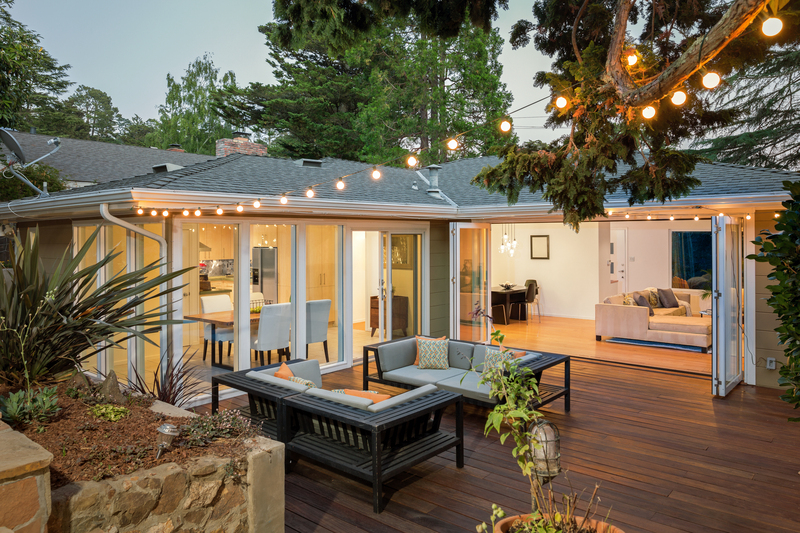
Design a Serene Outdoor Haven Using Tall-Potted Plants for Natural Privacy
Design a Serene Outdoor Haven Using Tall-Potted Plants for Natural Privacy
You step onto the patio after a long day. Warm mug in hand, cool air on your skin, a quiet rustle of leaves just above shoulder height. The neighbours TV fades into a soft murmur, and suddenly your small outdoor space feels like a private garden room. That is the simple power of tall-potted plants used as natural screens. This guide shows you how to design a serene outdoor haven using tall-potted plants for natural privacy, without major building work, and without the drama.
We will dive into practical plant choices, UK-friendly regulations, smart container design, watering systems, and a step-by-step plan that works on patios, balconies, courtyards, and small city terraces. Friendly, expert, and honest. Because to be fair, we have all bought the wrong pot or the wrong bamboo once. Yeah, we have all been there.
Table of Contents
- Why This Topic Matters
- Key Benefits
- Step-by-Step Guidance
- Expert Tips
- Common Mistakes to Avoid
- Case Study or Real-World Example
- Tools, Resources & Recommendations
- Law, Compliance or Industry Standards (UK-focused)
- Checklist
- Conclusion with CTA
- FAQ
Why This Topic Matters
When you design a serene outdoor haven using tall-potted plants for natural privacy, you are doing more than hiding a view. You are creating a personal refuge, improving biodiversity, softening city noise, and shaping the light and air around you. In dense urban areas, especially across the UK where gardens are modest and terraces are narrow, tall planters can transform tight corners into calm, functional, beautiful spaces.
There is also the reality of modern living. Many of us rent, or share boundaries with multiple neighbours, or work from home and crave a quiet, natural backdrop for calls. Hard screening like fencing and walls is effective but often expensive, sometimes limited by planning rules, and frankly a bit stark. Tall-potted plants do the same job with warmth and movement. They sway. They breathe. They glow in the late afternoon when sunlight threads through the leaves and the air smells faintly of soil after rain.
One small story. A client in Walthamstow told us she had not sat on her balcony for two years because it felt exposed. Three clumping bamboo in simple fibrestone troughs later, she texted a photo at 7 pm: candles, slippers, a book. No big build. Just plants doing what plants do best.
Key Benefits
Designing a serene outdoor haven using tall-potted plants for natural privacy delivers a stack of wins. Some are obvious, some less so:
- Instant privacy, flexible layout - Pots can be moved seasonally or reconfigured when your needs change. No need for permanent structures.
- Natural sound softening - Dense foliage diffuses high-frequency noise and reduces echo. Not a perfect sound barrier, but it takes the edge off.
- Biodiversity boost - Flowering and fruiting plants draw pollinators and birds. Even a tiny balcony can become a mini habitat.
- Improved microclimate - Plants transpire, cooling summer air. They also filter particulates, making a small nook feel fresher.
- Rental and lease-friendly - Because the screening is not fixed, it is usually acceptable in rentals. Always check your agreement, of course.
- Design depth - Layering heights and textures turns a flat boundary into a rich vertical garden wall.
- Cost control - Compared with bespoke fencing or trellis plus climbers, tall planters can be cheaper upfront and over time. You can start small and build.
- Year-round interest - Evergreen screens hold privacy in winter; deciduous species offer seasonal drama. Mix both for the best of both worlds.
And perhaps the biggest benefit: the change in how you feel. Clean, clear, calm. That is the goal.
Step-by-Step Guidance
The following process is the backbone of designing a serene outdoor haven using tall-potted plants for natural privacy. It works for compact patios, roof terraces, and courtyards alike.
1. Assess your space like a pro
- Sun and shade - Track sunlight at 9 am, 1 pm, and 5 pm. Is it full sun, part shade, or deep shade? Plant choices depend on this.
- Wind exposure - Roof terraces and high balconies are windy. Choose wind-tolerant species, heavier pots, and anchoring systems.
- Privacy sightlines - Stand where you sit. What exact sightline feels exposed? Measure the eyeline height to screen, typically 1.6-2.1 m when seated or standing.
- Weight limits - For balconies and roof decks, confirm structural load capacity. Containers filled with moist compost get heavy, fast.
- Water access - A nearby tap or water butt saves time. If hoses are restricted, plan for drip lines or self-watering planters.
Micro moment: It was raining hard outside that day. We stood with a client on a tiny balcony under a brolly, watching where water pooled before deciding pot positions. Small detail, big result.
2. Choose the right containers
Containers are as important as plants for both privacy and plant health. Aim for volume, stability, and style that suits your home.
- Material - Fibrestone, GRP (fibreglass), corten steel, and high-quality resin are durable and relatively light. Terracotta looks beautiful but can crack in freeze-thaw; choose frost-resistant if you love it.
- Size - For tall screens, go big. Minimum 50-70 litres per plant; 80-120 litres gives roots room and better drought resistance. For troughs, 100-150 cm long x 40-50 cm deep x 40-50 cm high is a sweet spot.
- Drainage - Essential. Choose pots with generous holes, elevate on pot feet, and add a base layer of chunky drainage pieces.
- Stability - Wide bases and low centre of gravity reduce wind topple. Add anchoring brackets for roof terraces.
- Style - Keep finishes coherent. Two or three complementary textures feel calm; a mix of ten looks busy.
3. Select tall plants that truly screen
Match species to your light, wind, and maintenance appetite. Here are UK-suitable, container-friendly winners for natural privacy:
- Clumping bamboo - Fargesia robusta, Fargesia rufa, Fargesia 'Jiuzhaigou'. Non-invasive, elegant, evergreen. Choose clumping forms, not running types.
- Photinia x fraseri 'Red Robin' - Glossy evergreen with red new growth; responds well to clipping for a neat screen.
- Griselinia littoralis - Salt-wind tolerant, evergreen, fresh green leaves. Good for coastal and city balconies.
- Bay laurel (Laurus nobilis) - Edible, architectural, aromatic. Clip into columns or cones for formal screening.
- Italian cypress (Cupressus sempervirens) - Slim, vertical punctuation. Better in sheltered, sunny sites with excellent drainage.
- Olive (Olea europaea) - Silvery evergreen, drought tolerant once established. Great on bright terraces.
- Portuguese laurel (Prunus lusitanica) - Dense, elegant foliage. Excellent for privacy in troughs.
- Fatsia japonica - Broad, glossy leaves; thrives in shade. Not as tall alone, but superb in layered screens.
- Cordyline australis - Architectural leaves, strong vertical accent. Combine with evergreens for a mixed screen.
- Evergreen jasmine (Trachelospermum jasminoides) on trellis in pots - Fragrant, glossy, and year-round; excellent where space is narrow.
Tip: Mix one fast grower (for quick privacy) with slower, long-lived evergreens that hold structure. It is a short-term and a long-term play, together.
4. Build a professional potting mix
Good compost is the difference between thriving green and constant struggle. A proven container mix for tall screens:
- 50 percent loam-based compost (John Innes No. 3 is a UK classic)
- 30 percent peat-free multi-purpose compost (coir-based options add water holding)
- 20 percent horticultural grit or perlite for drainage
- Plus: 8-10 month slow-release fertiliser, and a pinch of mycorrhizal fungi at planting
Why loam-based? It adds weight and minerals, helps buffer pH, and resists drying out. Your roots will thank you in August.
5. Planting technique step-by-step
- Place pots where they will live. Fill one third with mix, and test plant height to ensure the rootball sits just below the rim.
- Water plants in their nursery pots. Then gently tease roots loose, especially if circling.
- Set the plant, backfill, and firm lightly. Leave a 2-3 cm watering well at the top.
- Water slowly until it drains from the base. Top up with mix if needed, then mulch with 2-3 cm of bark or gravel.
- Install drip irrigation or self-watering systems now, not later. It is so much easier.
Little scene: you tap the pot side, hear that satisfying dull thud when the mix is settled, and know it is right. Small joys.
6. Layout for privacy and beauty
- Staggered lines - Place tall pots in a shallow zig-zag rather than a straight line. It thickens the screen and looks more natural.
- Layering - Tall screen at the back, medium shrubs in front, low perennials or herbs near the edge. Depth creates lushness.
- Height planning - Aim to exceed eyeline by 20-40 cm. For seated areas, 1.6-1.8 m is often enough; for standing, 1.8-2.1 m.
- Corners - Fill corners with the tallest planters to soften hard angles and block angled views from neighbours.
7. Watering and feeding schedule
- Watering - In summer, check daily in heatwaves. Otherwise, 2-3 times a week may suffice. Stick a finger 5 cm into the soil; if dry, water. Simple, reliable.
- Irrigation - A micro-drip kit with 2 l/h emitters, run 10-20 minutes on hot days, saves time and water. Add a battery timer.
- Feeding - Slow-release fertiliser in spring, liquid feed every 2-3 weeks from April to July for vigorous growers.
- Mulch - Bark or gravel reduces evaporation and looks tidy.
8. Pruning, grooming, and seasonal care
- Prune for density - Lightly trim new growth on Photinia and laurels to encourage branching and tighter privacy.
- Bamboo - Remove the odd older cane each year at the base; thin lightly for air flow. Tie canes loosely in windy spots.
- Winter - Group pots together to reduce wind exposure. Wrap containers in fleece or bubble insulation during severe cold snaps.
- Root health - Every 2-3 years, top-dress with fresh compost or root-prune and repot if plants slow down.
9. Lighting and mood
Warm white string lights threaded through bamboo, or low-glare spike lights grazing up an olive trunk, create evening privacy and magic. Keep it gentle. Less is more.
10. Budget and phasing
You do not need to do everything at once. Prioritise the most exposed angle, install two or three big planters, then add more over the season. Costs vary, but a robust 100 litre planter and mature evergreen can start from a few hundred pounds each. Pace yourself. The garden will meet you halfway.
Expert Tips
- Go clumping, not running - For bamboo, choose Fargesia over Phyllostachys to avoid invasive spread. In pots, it is still the kinder choice.
- Drainage layers matter - 3-5 cm of chunky drainage plus pot feet prevents waterlogging and root rot. It is dull prep work that saves plants.
- Use weight strategically - A thin layer of decorative gravel on top adds mass and reduces soil blowout on windy balconies.
- Test sightlines with sticks - Before buying, place broom handles or bamboo canes in pots to simulate heights at key points. It is a cheap mock-up.
- Mix textures - Pair fine bamboo leaves with broad Fatsia, or glossy Photinia with silvery olive, for visual rhythm.
- Use troughs to simplify - Long trough planters reduce the number of individual pots you need to water and align cleanly along fences.
- Automate watering - A simple timer and drip system pays for itself the first time you go away during a heatwave.
- Mind the wind - On roof terraces, select tougher plants like Griselinia, bay, and Cordyline. Anchor planters discreetly.
- Peat-free is the standard - Choose quality peat-free media; it is better for the planet and, with the right mix, just as effective.
- Keep a small log - Note watering, feeding, and any pests. Patterns jump out quickly and make you look like a wizard.
Truth be told, the best tip is patience. Plants settle, then they surge. Give them a season or two and you will see.
Common Mistakes to Avoid
- Undersized pots - Small containers dry out rapidly and topple in wind. Bigger pots equal happier roots and better privacy.
- Running bamboo - Avoid aggressive Phyllostachys in small spaces. Even in pots it can cause headaches. Choose clumping Fargesia.
- No drainage - Blocked holes or sitting pots flat on the ground invites root rot. Pot feet are cheap insurance.
- Ignoring weight limits - Balconies have constraints. Always check before adding several heavy planters.
- Uniform height - A straight hedge-like line can look flat and formal. Stagger heights to feel natural and more airy.
- Overwatering - Especially in winter. Most evergreens prefer slightly drier conditions when growth slows.
- Neglecting wind - Tall, top-heavy plants blow over. Use lower, wider containers or add discreet anchoring.
- Too many species - A medley of 12 different plants looks chaotic. Stick to 3-5 core species for calm cohesion.
- Forgetting winter - Deciduous-only screens vanish in January. Blend in evergreens for year-round cover.
Ever tried clearing a room and found yourself keeping everything? The same happens with plants. Edit bravely. Your future self will feel grateful.
Case Study or Real-World Example
Project: Second-floor London terrace, 5 x 3 m, overlooked by two neighbouring windows.
Brief: Create natural privacy for a small dining set and a morning coffee bench, low maintenance, rental-safe, no drilling into structure.
Solution:
- Installed three fibrestone troughs, 120 x 45 x 50 cm, each approximately 110 litres.
- Planted a mix of Fargesia robusta (clumping bamboo) for height, Photinia 'Red Robin' for dense evergreen volume, and Fatsia japonica for lush shade corners.
- Used a peat-free loam-heavy mix with slow-release fertiliser and mulch.
- Added a micro-drip system on a battery timer, connected to an outdoor tap through a discreet hose route.
- Anchored planters with hidden brackets to a non-invasive weight plate base, keeping it rental-friendly.
Outcome: Within 8 weeks, the eyeline was screened to 1.9 m. Summer evenings felt cocooned; the rustle of bamboo softened traffic noise. Sparrow chatter replaced the motorway hum. Total cost approximately ?1,350. The tenant kept the planters when moving, proving the flexibility is real, not theoretical.
Client message a month later: 'I ate breakfast outside today and forgot about the neighbours for a whole hour. Magic.' It made our week.
Tools, Resources & Recommendations
Recommended container sizes
- Single specimen evergreens: 60-90 litre round or square planters, 45-55 cm wide
- Trough screens: 100-140 litre, 120-150 cm long, 40-50 cm deep and high
- Balcony-safe footprint: consider 80-100 cm long troughs to distribute weight and allow access
Irrigation essentials
- Battery timer with weekly schedule options
- Pressure reducer and filter (keeps emitters clean)
- 4 mm micro tubing, T-connectors, and adjustable 2 l/h drippers
- Moisture meter or the good old finger test
Soil and feed
- Loam-based compost like John Innes No. 3 (peat-free variants available)
- High-quality peat-free multi-purpose compost; coir blends retain moisture
- Horticultural grit or perlite at 20 percent volume
- Slow-release fertiliser granules; organic seaweed feed for monthly boosts
Plant list by conditions
- Sunny and sheltered: Olive, Italian cypress, Photinia, bay, Cordyline, rosemary standards
- Part shade: Griselinia, Portuguese laurel, bamboo (Fargesia), Trachelospermum on trellis
- Shady: Fatsia, Aucuba japonica, Mahonia 'Soft Caress', Sarcococca (winter fragrance)
- Coastal wind: Griselinia, Olearia, Elaeagnus ebbingei, Pittosporum tenuifolium
Tools
- Hand trowel, pruning shears, folding saw for thicker canes
- Rubber mallet to settle pots on feet without cracking
- Watering can with rose and a lightweight hose
- Work gloves, knee pads, and a sack barrow for heavy planters
Trusted references and good practice
- Royal Horticultural Society (RHS) plant profiles and care guidelines
- Peat-free gardening advice from UK government and RHS resources
- Container safety and manual handling guidance from HSE
Note: While these are not formal citations here, they reflect widely accepted industry practices and current UK recommendations for sustainable gardening.
Law, Compliance or Industry Standards (UK-focused)
Designing a serene outdoor haven using tall-potted plants for natural privacy should be done with an eye on UK rules and good practice. A quick rundown:
- Planning permission - Freestanding planters rarely need permission. However, fixed screens or structures over 2 m adjacent to a boundary may require it. Check local council guidance.
- High hedges law - Under Part 8 of the Anti-social Behaviour Act 2003, evergreen hedges over 2 m causing loss of light can be subject to complaint. In containers it is less common, but still be considerate.
- Balcony and roof loads - Always confirm load-bearing capacity for terraces and balconies. Building control and structural engineers can advise; safety first.
- Wildlife protection - The Wildlife and Countryside Act 1981 protects nesting birds. Avoid heavy pruning during nesting season (March to August) if active nests are present.
- Invasive species - It is an offence to plant certain invasive species in the wild (Schedule 9). Avoid invasive bamboos escaping; choose clumping types and contain responsibly.
- Peat ban - The retail sale of peat for amateur gardeners in England is being phased out; use peat-free composts as good practice across the UK.
- Water restrictions - Hosepipe bans may apply in droughts. Drip irrigation and watering cans are usually allowed; check your water company.
- Manual handling - HSE recommends safe lifting and the use of sack barrows for heavy pots. Plan deliveries and do not risk injury.
To be fair, most of this is common sense: be safe, be neighbourly, and choose sustainable materials. You will sleep easier.
Checklist
Use this quick checklist when you set out to design a serene outdoor haven using tall-potted plants for natural privacy:
- Measure sun, shade, wind, and key sightlines
- Confirm balcony or terrace load limits if applicable
- Choose large, stable, frost-resistant containers with pot feet
- Select 3-5 core species suited to your light and wind
- Assemble a loam-heavy, peat-free compost mix with grit
- Install drip irrigation with a timer from day one
- Stagger planters and layer heights for depth and coverage
- Feed lightly and mulch to conserve moisture
- Prune for density; check for pests monthly
- Plan winter protection and root checks every 2-3 years
Simple steps, big results. You will see.
Conclusion with CTA
Privacy is not only about blocking a view. It is about reclaiming headspace, hearing the soft flick of leaves, and enjoying your outdoor room without a second thought. When you design a serene outdoor haven using tall-potted plants for natural privacy, you invest in mood, in health, and in the daily rituals that make home feel like home.
Start with two generous planters and one great plant choice. Then build. Within weeks you will feel the shift, and by summer you might just forget the world watching beyond your fence. It is kinda wild how fast it happens.
Get a free quote today and see how much you can save.
Take a breath. Step outside. This can be your quiet corner.
FAQ
What are the best tall-potted plants for privacy in UK balconies?
Clumping bamboo (Fargesia), Photinia 'Red Robin', Griselinia, Portuguese laurel, bay laurel, and evergreen jasmine on trellis are reliable, container-friendly, and handle UK weather well. Mix evergreens for year-round cover with a few seasonal accents like Cordyline or grasses.
How big should my pots be to create effective screening?
Aim for 60-120 litres per plant for stable, healthy growth and consistent privacy. Troughs around 120 x 45 x 50 cm provide excellent root space and a cleaner visual line than multiple small pots.
How often do I need to water tall planters in summer?
Check moisture daily during heatwaves. Typically 2-3 waterings per week in warm spells, less in cool weather. Drip irrigation with a timer makes it effortless and conserves water under hosepipe restrictions.
Is bamboo a bad idea for privacy screens?
Not if you choose the right species. Avoid running types; pick clumping bamboo like Fargesia. In large containers with good drainage and regular watering, they are elegant, evergreen, and low fuss.
What is the cheapest way to get quick privacy?
Combine one or two fast-growing evergreens like Photinia or Griselinia in big troughs with a trellis-mounted climber (evergreen jasmine). It gives immediate coverage and fills out rapidly over the first season.
Can I grow tall screens in deep shade?
Yes, but choose shade-tolerant plants. Fatsia japonica, Aucuba, Sarcococca, and Mahonia provide structure; no single species will reach towering heights instantly, so layer for coverage. A slim trellis with shade-tolerant climbers can help.
Will containers crack in winter?
Choose frost-resistant planters and raise them on pot feet for drainage. Terracotta can crack if water saturates and freezes; fibrestone, GRP, and corten are safer in freeze-thaw cycles.
How do I stop pots from blowing over on a roof terrace?
Use wide-based, heavy planters, add gravel mulch for extra weight, and anchor discreetly with brackets or weight plates. Pick wind-tolerant plants and avoid top-heavy species in exposed sites.
What maintenance is required through the year?
Spring: top-dress compost and add slow-release feed. Summer: water regularly, light trims for density. Autumn: check irrigation and clean emitters. Winter: group pots for shelter, fleece during severe cold, water sparingly.
Are tall-potted plants suitable for renters?
Absolutely. They are non-permanent, can be moved when you relocate, and usually need no permissions. Avoid drilling into structures; use freestanding or weight-plate anchors.
Can plants really reduce noise from the street?
Plants do not block noise like solid walls, but dense foliage diffuses and softens high-frequency sounds, reducing harshness and echo. Combined with soft furnishings and water features, it can feel significantly quieter.
What about pests like vine weevil or red spider mite?
Inspect monthly. For vine weevil, use nematodes in spring and late summer. For spider mite, increase humidity, hose foliage, and use biological controls if needed. Healthy, well-watered plants resist pests better.
How do I choose a safe compost given the peat phase-out?
Pick a reputable peat-free mix and blend with loam-based compost and grit. Many UK suppliers now offer high-quality peat-free products that perform excellently in containers.
Do I need permission for a tall plant screen near a boundary?
Movable planters generally do not need planning permission. However, if the screen behaves like a fixed structure over 2 m or causes disputes, you may face rules under high hedge guidance. Be considerate and communicate with neighbours.
What is the best lighting to pair with plant privacy screens?
Warm white, low-glare LED spike lights or subtle string lights. Aim for gentle uplighting that outlines foliage without causing glare for you or your neighbours.
Can I create edible privacy?
Yes. Bay laurel standards, espalier apple or pear on trellis in troughs, and rosemary or laurel hedging can give both privacy and harvest. Just ensure adequate sun and pot volume.
How many plants do I need to screen a 3 m section?
In a 120 cm trough, two medium shrubs or three bamboo plants work well. For 3 m, think two to three troughs with 4-6 shrubs or 6-9 bamboo clumps, depending on plant size and desired density.
When is the best time to plant?
Spring and early autumn are ideal in the UK. The soil is workable, temperatures are mild, and roots establish quickly. Summer planting is fine with diligent watering.
How can I keep the design from looking messy?
Limit your palette, repeat planters, and maintain a consistent mulch. Stagger heights, prune lightly for shape, and hide irrigation lines neatly. Clean, clear, calm.
What if my neighbours object to taller plants?
Communicate early, show the plan, and offer to trim to an agreed height. Goodwill goes a long way. And honestly, a green view benefits everyone.
Ever stand in your garden at dusk and feel the day finally slow down? That is the moment this whole effort is for. Let the leaves take it from here.