
Recycling and Sustainability at Gardener Hatch End
As a local Gardener Hatch End service we prioritise practical, measurable steps toward a cleaner neighbourhood. Our approach to an eco-friendly waste disposal area and a sustainable rubbish gardening area combines municipal policy awareness, community partnerships, and low-carbon transport. This page sets out targets, operations, and local links so residents and businesses can see how gardening waste is diverted from landfill and turned into value.Why sustainability matters for Hatch End gardening
Hatch End gardener operations produce green waste, mixed recyclables and occasional bulky items. When managed well, these streams become compost, recyclable materials and reusable items for community projects. We align with borough-level waste separation schemes — such as separate dry recycling, food waste and garden waste collections used across London boroughs — and adapt to local transfer station rules to keep contamination low and carbon costs down.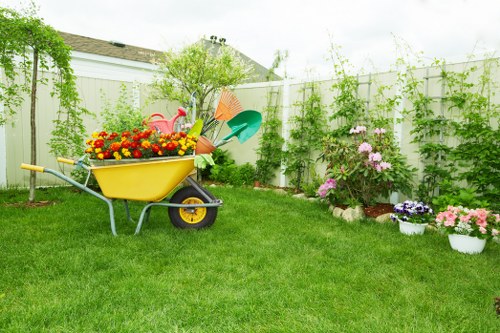
Our recycling percentage target and monitoring
We have set a clear recycling percentage target: 70% of all non-hazardous gardening waste will be recycled or reused within 24 months of collection. This target covers green waste, wood, soil, brick and metal recovered from garden clearances. Progress is tracked by weight at handovers to transfer stations and partner reprocessors, and we publish annual summary figures for transparency. The outcome goal is to steadily reduce the volume of material sent to landfill while increasing local circular reuse.Our operations combine on-site segregation and destination sorting. Every job includes a dedicated segregation plan so that brown bin materials, dry recyclables and compostables are kept distinct. Where borough kerbside rules allow, we feed sorted materials back into the local municipal systems to maintain consistent waste separation practices. This ensures compatibility with Harrow and neighbouring boroughs’ recycling streams and avoids cross-contamination that would lower recovery rates.
To support low-carbon logistics we are rolling out electric and low-emission vans across our fleet. These low-carbon vans reduce the emissions footprint of frequent garden visits and transfers to processing sites. Vehicles are routed to minimise empty miles, and we prioritise combined collections so a single trip handles multiple waste types when permitted by transfer station acceptance criteria.
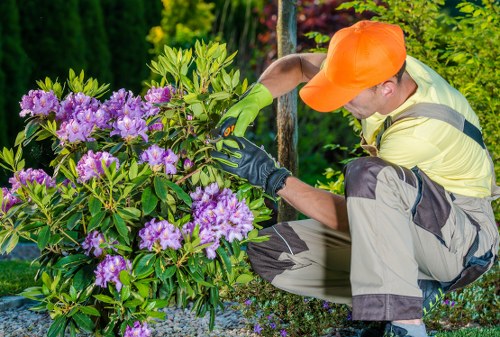 We work closely with local transfer stations and materials recovery facilities. Key transfer stations near Hatch End accept segregated garden waste, wood, inert material and mixed recyclables. Regular drop-offs allow us to document weights and categories, which improves our reporting and helps hit the 70% recycling target. Using authorised transfer points also ensures compliance with waste duty of care and borough-level licensing.
Partnerships are central to turning collected items into value. We collaborate with charities and social enterprises that accept garden-quality soil, plants, bricks and usable timber. These partnerships reduce disposal costs and extend the life of materials through community reuse. Examples include donation of recycled timber to community allotments and delivery of compost to urban greening projects in the area.
To make our approach tangible, we employ a clear hierarchy: reduce, reuse, recycle, recover. On-site reduction includes pruning plans that avoid unnecessary removal, while reuse channels include salvage of pavers and timber for community repair projects. Recycling covers organics composting and separation of metals and plastics. When recovery is the only option, we select facilities with energy recovery processes that meet stringent emissions controls.
We also support local initiatives that enhance the circular economy. Our Gardener in Hatch End activities include seed saving, compost exchanges and mentoring for community gardeners to reduce waste. These actions multiply the effect of collection by lowering upstream material needs and promoting sustainable gardening practices across the neighbourhood.
 To remain accountable we use clear measurement and reporting systems. Each collection is logged with weight ticketing from transfer stations, categorised by material type, and aggregated into monthly performance summaries. This allows us to identify improvement areas, such as further reducing contamination in garden waste or increasing the diversion of mixed wood to reprocessors rather than landfills.
Available services are designed to be flexible for residents and small businesses: scheduled green waste collections, one-off clearances with full segregation, and material-only pickups for reusable items destined for charities. We avoid large-scale disposal to landfill by prioritising donation and recycling routes first, ensuring compliance with borough waste separation expectations for mixed recyclables and compostables.
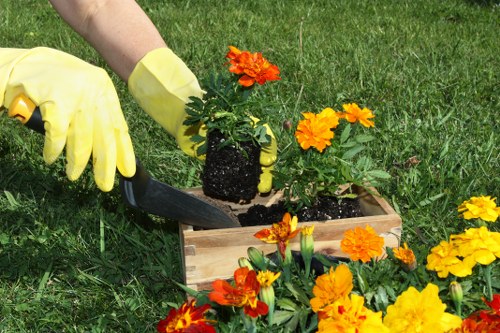 What you can expect from Gardener Hatch-End: a transparent, environmentally responsible service that meets a strong recycling percentage target, utilises local transfer stations, partners with charities and community schemes, and operates low-carbon vans to reduce transport emissions. By choosing a local Hatch End gardener committed to sustainability, you help build a greener, more circular local economy that keeps materials in use and reduces the neighborhood's carbon and waste footprint.
- Recycling target: 70% diversion of non-hazardous gardening waste
- Transport: Electric and low-emission vans to reduce emissions
- Local hubs: Use of authorised transfer stations and reprocessors
- Community: Partnerships with charities and reuse projects
By integrating local policy awareness, responsible logistics and community partnerships, Gardener Hatch End turns everyday garden waste into an opportunity for environmental improvement and social value.