How to Build a Flexible Garden: Top 3 Tips for Movable Planting
A modern garden is no longer just rooted pots and static landscaping. Thanks to innovative approaches, flexible gardening is on the rise. Whether you're a renter, face unpredictable weather, or simply crave design versatility, mastering movable planting can transform your outdoor (or indoor) space. In this extensive guide, we'll unveil the top strategies to kickstart your flexible garden and make your green space dynamic and adaptable.
What Is a Flexible Garden?
A flexible garden refers to a green area engineered to change with your needs. It's a non-permanent, adaptable garden that uses movable planting techniques--from containers to modular beds--so your setup can shift and evolve. The benefits are enormous for urban dwellers, renters, busy families, and design enthusiasts:
- Perfect for small spaces. Easily reconfigure patios, balconies, or even rooms.
- Ideal for unpredictable weather. Move sensitive plants to shelter or relocate sun-lovers as needed.
- Year-round gardening. Shift your setup indoors when temperatures drop.
- Creative freedom. Experiment with new designs, plant arrangements, or themes each season.
- Protect investments. Take your beloved plants with you if you move home.
Now, let's dive into the top 3 expert tips--with practical advice--to help you build a flexible garden that looks beautiful and works for your lifestyle.
Tip #1: Choose the Right Containers for Movable Planting
Why Containers Matter in a Flexible Garden
The foundation of any movable garden is its containers. With the right ones, you can rearrange plantings in minutes and provide optimal growing conditions for different species. Auswahl of movable planters is key for success.
What to Look for in Movable Containers
Select containers that are:
- Lightweight yet sturdy. Materials such as high-grade plastic, fiberglass, resin, and lightweight ceramics are easy to move but endure the elements.
- Well-draining. Proper drainage holes are a must to prevent waterlogging.
- Appropriate size. Small pots are portable but might dry out quickly. Large containers hold moisture better but require sturdy wheels or handles for mobility.
- Wheeled or modular. Movable planting beds on castors and stackable planters let you rearrange your layout with ease.
- Weather-resistant. Invest in UV- and frost-proof options for longevity and minimal maintenance.
Top Movable Container Ideas
- Rolling raised beds: These let you cultivate veggies or flowers and wheel them into sun or shade.
- Vertical wall planters: Stackable or hanging units maximize growing in minimal horizontal space.
- Grow bags: Sturdy fabric bags are ultra-light, fold flat for storage, and ideal for seasonal crops.
- Self-watering containers: These allow plants to thrive even if moved often or if you neglect to water for a day or two.
Avoid old-fashioned terracotta or stone pots for primary movable use as they're heavy and prone to breakage when shifted often.
Tip #2: Master Plant Selection for Mobility and Adaptability
How to Choose Plants for a Flexible Garden
Plant choice is crucial when creating a flexible, portable garden. Consider the growing requirements and how well each plant type handles disruption. Here are some golden rules:
- Opt for adaptable species. Select plants that respond well to being repositioned and can tolerate variable conditions (light, temperature, humidity).
- Mix perennials and annuals. Perennials like hostas, herbs, or compact shrubs--when potted--bring structure. Annuals let you refresh color, fragrance, and flavor rapidly.
- Embrace compact and dwarf varieties. These are ideal for pots, wheelable trays, or hanging planters.
- Consider edibles. Lettuce, spinach, radishes, strawberries, and cherry tomatoes all flourish in movable containers and give you a taste of garden-to-table living.
- Avoid deep-rooted, top-heavy, or fast-growing species unless you have very large pots or reinforced beds.
Best Plant Choices for Movable Planting
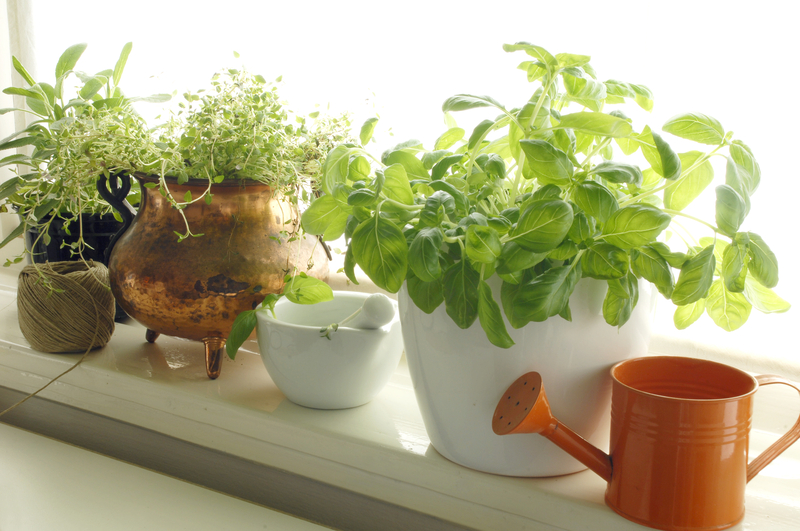
- Herbs: Basil, mint, parsley, thyme, and chives--all thrive in small, maneuverable planters.
- Vegetables and salad greens: Lettuce, rocket, spinach, spring onions, radishes, and bush tomatoes.
- Compact fruit: Strawberries in hanging baskets, blueberries in pots, or dwarf citrus indoors.
- Ornamentals: Pansies, petunias, marigolds, fuchsias, coleus, and heuchera provide color and interest all season.
- Indoor/outdoor plants: Succulents, peace lilies, and snake plants transition well between spaces if you change your garden location in winter.
Pro Tip: Place moveable planters on saucers or trays if using them indoors--this protects surfaces from water and soil spills!
Tip #3: Design for Mobility, Efficiency, and Style
Plan Your Layout for Flexibility
The ultimate advantage of movable gardens is the creative power they offer. Change your design with the seasons, special occasions, or to simply refresh your look.
- Keep pathways clear. Arrange containers to allow easy movement for yourself and your planters. If you plan to move items regularly, larger pots should be on wheels or mobile platforms.
- Group by light and water needs. Clustering plants with similar needs ensures easier care and improved health when shifting your arrangements.
- Utilize levels. Use benches, plant stands, and wall-mounted racks for a dramatic, space-saving garden effect and simple rearrangement.
- Prepare for weather. Plan for quick movement by leaving unobstructed routes to shelter, especially for frost- or wind-sensitive plants.
Smart Design Ideas for Movable Planting Spaces
- Color zones: Group vibrant annuals in portable planters to rotate color highlights around your space.
- Mobile privacy screens: Create instant green walls or hiding places with tall, wheeled planters or trellised vines in rolling pots.
- Flexible seating areas: Use staggered container heights for informal borders around patios or deck lounges.
- Movable herb or salad bar: Keep your edibles handy by placing them on a rolling cart you can bring to your kitchen door or outdoor dining table.
Maintenance Tips for the Movable Garden
A movable planting scheme brings unique challenges. Follow these maintenance strategies:
- Regularly check soil moisture. Containers tend to dry faster after moving, especially on sunny patios or balconies.
- Feed appropriately. Use liquid or slow-release fertilizers, adapting your feeding to the plant's stage and season.
- Inspect for pests and disease. Moving pots can spread issues--check leaves and soil before shifting indoors or to sheltered spots.
- Re-pot as needed. Monitor roots--if crowded, plants will struggle even with ideal light and water. Upgrade pot sizes as required.
Frequently Asked Questions about Building a Flexible Garden
Can I move plants between indoors and outdoors?
Absolutely! Many container-grown plants thrive when transitioned between your home and garden. Just remember to acclimate them slowly, shifting from indoors to outside over a week to avoid shock.
What are the easiest plants for a movable planting garden?
- Leafy greens: Spinach, arugula, and lettuce germinate fast and can be harvested often.
- Herbs: Chives, basil, mint, oregano, and thyme love manageable pots.
- Succulents: Jade plant, sedum, and echeveria are extremely forgiving in pots you move.
How do I protect plants during transport?
To protect roots and foliage, water plants lightly before moving (not heavily, as this adds weight and invites spills). If moving over distances, wrap pots with newspaper or bubble wrap, and secure tall plants with stakes. Always lift from the bottom.
Is a flexible garden suitable for small balconies?
Definitely! Flexible, movable gardening is perfect for maximizing tiny outdoor spaces. Use vertical planters, railing boxes, and stackable solutions for the best use of limited square footage.
Can I have a flexible garden year-round?
Yes. Most movable gardening containers and plants are well suited for indoor overwintering or quick sheltering in a garage, greenhouse, or porch during cold snaps.
The Future of Gardening: Why Flexibility Matters
In today's world, our living situations and tastes change faster than ever. A flexible garden gives you the power to adapt your environment without compromising on aesthetics, productivity, or investment. The right system allows you to experiment, protect your plants, and always enjoy greenery--whether you're setting up for summer, getting creative for a party, or just refreshing your mood with new arrangements.
In Conclusion: Start Building Your Flexible Garden Today!
Flexible gardens and movable planting represent the future for anyone who wants their landscaping to shift and grow with them. Here's a quick recap of the essential steps:
- Choose the right containers--prioritize portability, drainage, durability, and function. Lightweight pots, rolling raised beds, and stackable planters are perfect for movable setups.
- Pick adaptable plant varieties--focus on compact, forgiving species that tolerate changes and handle both indoor and outdoor conditions.
- Design with movement in mind--arrange for effortless access, experiment creatively, and maintain clear routes for swift changes when needed.
With a thoughtful approach and these top 3 tips for movable planting, you'll have a resilient, versatile garden that's as flexible as your life. Start your flexible gardening journey today, and watch your green space transform with every season, event, or inspiration!